You rearrange the furniture. You drag a chair two feet to the left. You slide a laundry basket down the hallway because carrying it all the way is apparently not happening today. And then you look down.
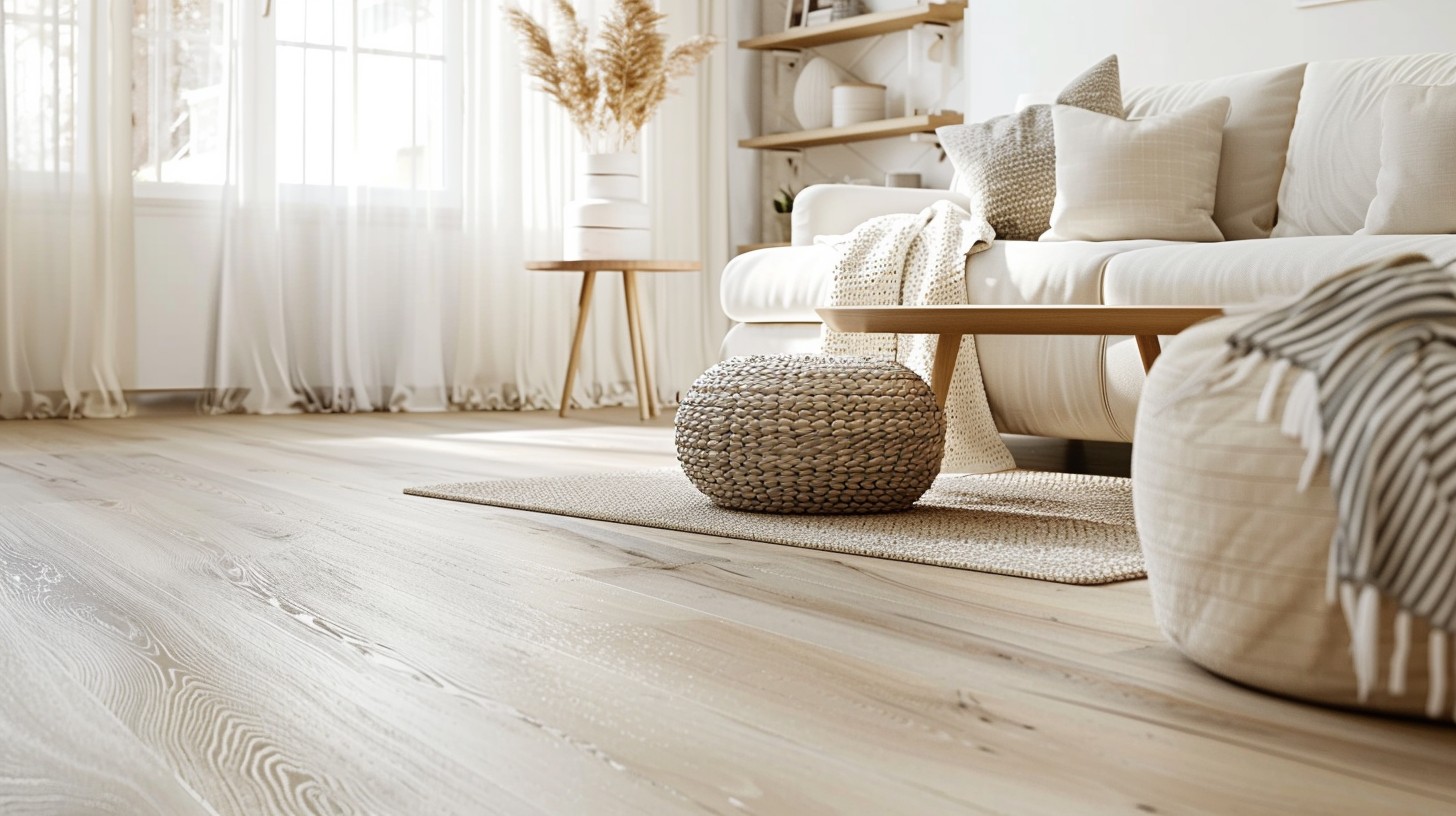
There they are. Gray, streaky, slightly accusatory scuff marks cutting across your laminate flooring like evidence of everything you’ve ever done wrong as a homeowner. You get down on your hands and knees and try to wipe them off with a damp cloth. They laugh at you. You try a little harder. They stay put, completely unbothered, while somehow the floor around them starts to look worse from the moisture you just introduced.
Hi, I’m Bailey, and scuff marks on laminate are one of those cleaning problems that make perfectly reasonable people do increasingly unreasonable things – grab a magic eraser, pour on some floor cleaner, break out the mop for the fourth time that week – and end up with a floor that looks worse than when they started. The fix is simpler than you think, and the mistakes are easier to make than they should be. Let’s sort both of those things out.
Why Scuff Marks Are a Completely Different Problem Than Dirt
When something is dirty, you clean it. Water, soap, a little scrubbing – problem solved. Scuff marks don’t follow that logic, and the reason comes down to what they actually are.
Most scuff marks on laminate floors are not dirt sitting on top of the surface. They’re material transfer – a deposit of rubber, plastic, or shoe sole compound that has been physically pressed and dragged into the top layer of your floor’s finish during contact. The sole of a shoe, the rubber foot of a chair leg, the bottom of a moving box – all of these materials are softer than the hard objects they contact, so instead of scratching the floor, they leave a little of themselves behind. That residue bonds lightly to the finish, which is why it doesn’t wipe away with water and why scrubbing it aggressively just spreads it into a bigger, thinner smear.
This is actually good news. Material transfer that’s bonded to the surface can be dissolved or mechanically lifted without touching the floor finish underneath – as long as you use the right approach and resist the urge to go harder when the first gentle pass doesn’t immediately work.
The Finish Is the Floor – And It’s More Fragile Than It Looks
Laminate flooring is a layered product, and understanding those layers is what keeps you from making an expensive mistake.
The visible surface of your laminate is a photographic layer – a high-resolution image of wood, stone, or tile printed onto a base material. On top of that sits the wear layer, a clear aluminum oxide coating that protects the image beneath it from daily traffic. It’s reasonably hard and reasonably durable, but it is not impervious. Harsh chemicals dissolve it. Abrasive scrubbing scratches it. Excessive moisture works its way through micro-gaps in the seams and causes the base layers to swell and buckle. And once the wear layer is damaged, the floor’s appearance deteriorates quickly and permanently – there is no refinishing laminate the way you can sand and refinish hardwood.
So when I say “without damaging the finish,” I’m not being precious. I mean that the method matters in a way that has real, visible, long-term consequences for your floor.
Not All Scuffs Are Created Equal
Before you start, it helps to quickly categorize what you’re dealing with, because the same floor can have two or three different types of scuffs that respond best to slightly different approaches.
Light gray or black marks from shoe soles and rubber furniture feet are the most common and generally the most cooperative. Dark, waxy smears from the rubber stoppers on chair or table legs are a step up in stubbornness and benefit from a slightly different approach. Plastic transfer marks – from dragged storage bins, appliance feet, or toy wheels – can be the most resistant of all, particularly if they’ve been there a while and have had time to settle in.
The good news is that the same basic toolkit handles all three. You’re just adjusting pressure and product slightly depending on what you’re working with.
What Not to Reach For (And Why People Keep Reaching for It Anyway)
The magic eraser gets a standing ovation in a lot of cleaning conversations, and for good reason – it’s genuinely remarkable on many surfaces. Laminate floors are not one of them.
Magic erasers work through extremely fine abrasion. The melamine foam structure essentially acts as a very, very fine sandpaper that physically removes surface material. On a painted wall or a ceramic sink, that’s fine – there’s plenty of material to work with. On a laminate wear layer, that abrasion removes the finish itself, leaving a dull, cloudy patch that catches light differently from the surrounding floor and is completely irreversible. I have seen beautifully maintained laminate floors with ghostly dull patches exactly the size and shape of magic erasers, and every single time the homeowner had no idea that’s what caused it. Now you do.
Steam mops are another one. Marketed aggressively for hard floors, deeply satisfying to use, and genuinely problematic on laminate. The combination of heat and concentrated moisture penetrates seams and causes swelling and warping over time. If you have a steam mop and laminate floors, please keep them separated. They are not compatible.
Solvent-based cleaners – nail polish remover, paint thinner, anything with acetone – will strip the wear layer on contact. I mention this because people occasionally reach for them on stubborn marks and the results are immediate and permanent.
The Right Way to Remove Scuff Marks from Laminate
Here’s the method I use on client floors, in order of gentleness. Always start with the most conservative approach and escalate only if needed – the goal is to use the minimum effective force.
Step 1 – Try a Clean, Dry Tennis Ball or Pencil Eraser First (2 Minutes)
This sounds absurd and it works remarkably well, which is exactly the kind of cleaning tip I live for.
The rubber compound in a tennis ball – and to a lesser extent a standard pencil eraser – is effective at lifting light rubber and shoe-sole transfer marks from laminate through gentle friction without any moisture or chemicals involved. Rub the tennis ball over the scuff mark in small, circular motions with light pressure. The rubber grabs and rolls the transferred material off the surface without touching the finish underneath.
For small marks, a clean pencil eraser does the same job with better precision. Use the white or pink variety rather than the dark gum erasers, which can leave their own residue behind.
If the mark lifts cleanly, wipe away any residue with a dry microfiber cloth and you’re done. No moisture, no chemicals, no risk to the finish. For light scuffs, this step alone handles the job about 60 percent of the time.
Step 2 – Rubbing Alcohol, Applied with Control (3 to 4 Minutes)
For marks that the dry method doesn’t clear, isopropyl rubbing alcohol is your next move. It dissolves rubber and plastic transfer residue effectively and evaporates quickly enough that it doesn’t introduce the prolonged moisture exposure that harms laminate – as long as you apply it correctly.
The correct application is not pouring, splashing, or spraying directly onto the floor. Dampen a clean microfiber cloth or a cotton ball with a small amount of rubbing alcohol and apply it directly to the scuff mark with moderate, focused pressure. Work in a small circular motion over the mark itself, then wipe the area clean with a dry cloth immediately after. You’re dissolving and lifting the residue, not saturating the floor – the whole process on a single mark should involve very little liquid and be over in under a minute.
For darker, waxier rubber scuffs from chair feet and furniture stoppers, let the alcohol-dampened cloth sit on the mark for 20 to 30 seconds before wiping. The dwell time helps break down the residue more effectively and means you need less physical scrubbing to lift it.
Rubbing alcohol handles the remaining cases for me about 95 percent of the time.
Step 3 – A Tiny Amount of Non-Gel Toothpaste for Stubborn Marks (3 Minutes)
For the rare, genuinely stubborn plastic transfer mark that alcohol alone hasn’t shifted, non-gel white toothpaste – the plain, inexpensive kind with no added whitening grit or baking soda abrasives – has just enough mild cleaning action to break down residue without the abrasiveness that would damage the finish.
Apply a small pea-sized amount to the mark and work it in with a damp cloth using light circular pressure. The key word there is light – you are not scrubbing, you are working the product into contact with the residue. After 30 seconds of gentle work, wipe the area clean with a barely damp microfiber cloth and then immediately dry it with a clean dry cloth. No moisture sitting on the floor any longer than necessary.
This is the most powerful option in the toolkit and also the one that requires the most care about moisture management. Done correctly, it clears marks that nothing else will touch. Done sloppily, you’ve left too much water on a laminate seam and created a new problem.
Keeping Your Laminate Looking Good Between Cleanings
Scuff prevention is mostly a furniture and footwear conversation, and it’s easier than most people expect.
Felt pads on every furniture leg that contacts the floor are the single highest-return investment you can make for laminate in Baltimore rowhouses and apartments where furniture gets rearranged regularly. They are a few dollars for a pack of 20 and they eliminate rubber transfer marks entirely. Check them every few months – they compress and shift over time, and a displaced felt pad is back to being a rubber foot.
A regular dry microfiber mop pass two or three times a week keeps grit and particles from being dragged across the surface by foot traffic, which prevents the fine surface scratching that makes a floor look dull and worn over time. When you do damp mop, use a well-wrung mop that’s barely damp rather than wet, and use a cleaner specifically formulated for laminate rather than a general floor product.
Laminate is genuinely good-looking and durable flooring when it’s treated right. It rewards the light touch – less water, less chemical, less pressure – which is basically the opposite of every cleaning instinct most of us have. Once you adjust for that, it’s one of the easier surfaces in the house to maintain.
Your floor got you through furniture rearrangement day. The least you can do is treat it gently.